Inventory moves faster than a spreadsheet
Placements, formats, and floor prices change between reviews. A plan that lives in one file cannot follow them.

zuvronixsolution keeps planning, contextual signals, creative rotation, pacing, and measurement in one workspace — so a media team can open a brief across display, online video, streaming, native, and in-app inventory and still see what every decision is doing.
Placements, formats, and floor prices change between reviews. A plan that lives in one file cannot follow them.
Context is decided placement by placement. The reasoning behind a bid should travel with the placement it came from.
Planning, delivery, and reporting stop being three versions of the same week, and the review becomes a conversation.
Briefs, bids, audiences, creative, delivery, and reporting sit in one account. A question about performance can be answered without stitching three tools together.
One campaign record carries the brief, the flight, and the pacing rules, so a change reaches every channel instead of one spreadsheet per market.
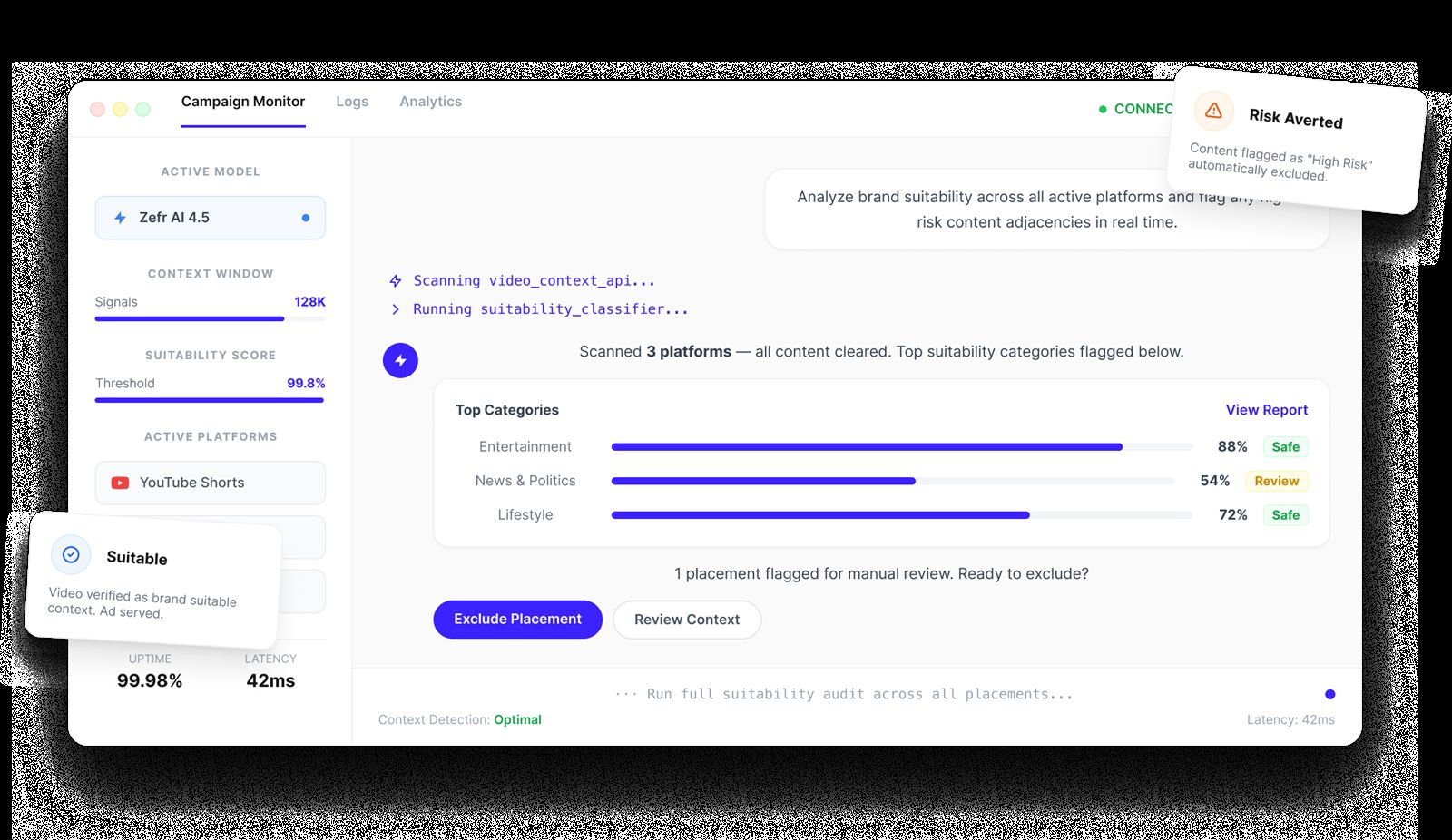
Score page meaning, sentiment, and surrounding content before a bid is placed, and keep that reasoning attached to the placement it came from.
Combine first-party segments, modelled audiences, and contextual cohorts, then activate them with the consent state attached.
Hold assets in a shared library, reuse templates across formats, and rotate variants while the campaign is still delivering.
Deliver to web, in-app, video, and streaming placements with frequency caps, dayparting, and the pacing rules the plan calls for.
Read multi-touch attribution, view-through outcomes, and incrementality beside the delivery numbers that produced them.
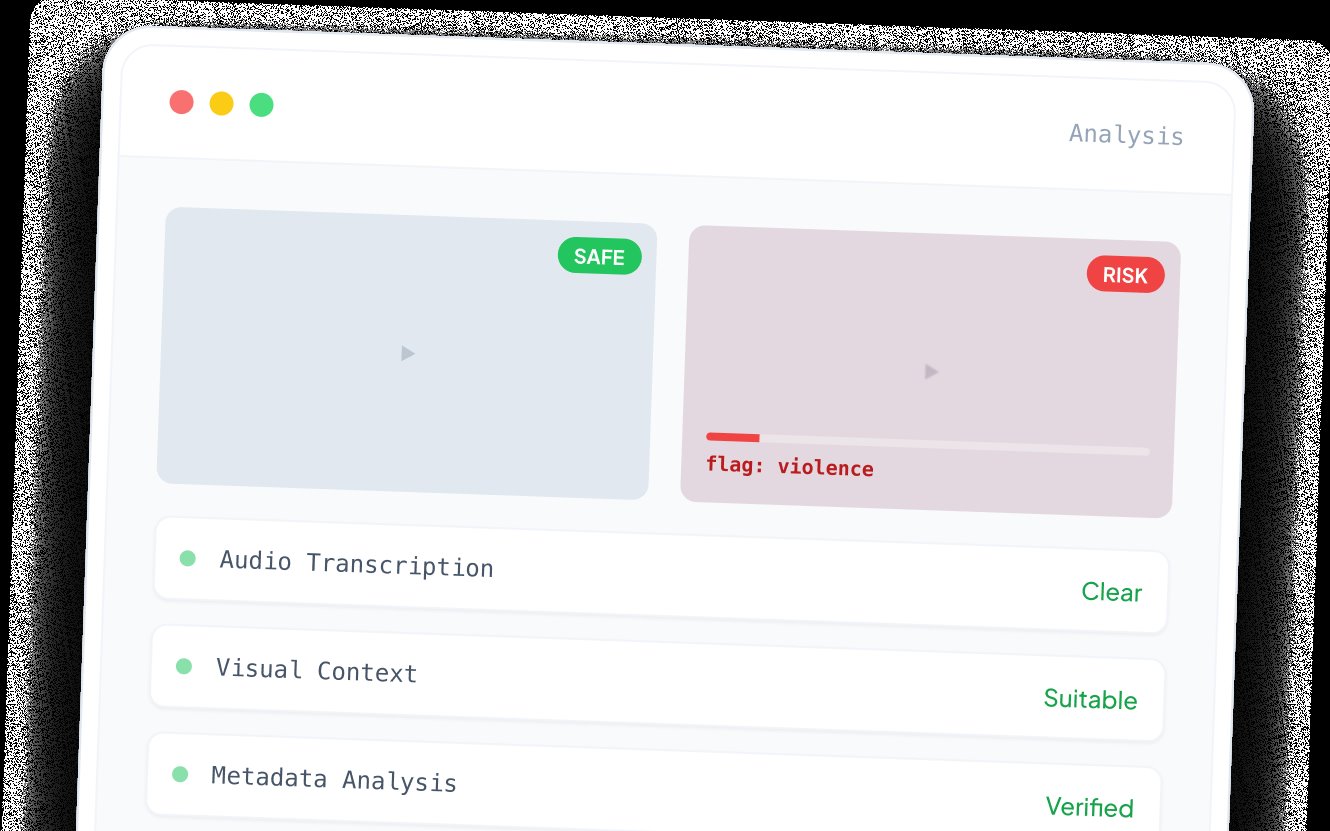
Set content categories and blocklists, then decide placement by placement where a creative is allowed to appear.
Filter before and after the bid against recognised invalid-traffic guidance, and score supply as it arrives.
Four stages, one record. Each stage leaves a trace the next one can read, so the reasoning survives the handover from planning to reporting.
Objective, audience, flight, and budget enter once and become the campaign record every channel reads from.
Context, content category, and supply quality are scored before the bid, and the score stays with the placement.
Creatives rotate, frequency caps apply, and pacing follows the flight rather than the last manual adjustment.
Delivery, conversions, and incrementality sit beside each other, so the next change is argued from numbers.
Open a brief out to streaming, online video, display, native, and in-app supply. One budget and one set of pacing rules keep spend where it is working, and a single channel can pause without the rest of the plan coming apart.
Join delivery data to the conversion events that matter, compare creative variants against each other, and read the incremental effect of a placement instead of crediting whichever click happened to come last.
The difference is not a longer feature list. It is where the reasoning lives when someone asks why a placement was bought.
Written as usage scenarios rather than testimonials, because the value shows up in the work rather than in a quote.
“An in-house media team stops rebuilding the same plan in three tools. Planning, delivery, and reporting read from the same numbers, so the weekly review becomes a conversation instead of a reconciliation exercise.”
“An agency keeps every client account in one workspace, with access separated per client while the planning and reporting layer stays consistent across the whole book of business.”
“A publisher can see where inventory clears, which demand it attracts, and how floor prices change both — in terms that are straightforward to take to stakeholders.”
Open a workspace, connect your audiences, and launch a first line item in minutes.
Choose which categories of cookies zuvronixsolution may use. Strictly necessary cookies are always active because the platform cannot work without them.
Required for sign-in, session security, and core platform functionality.
Helps us understand how the platform is used so we can improve it.
Used to measure and personalise advertising delivered through the platform.
Remembers your preferences, such as language and workspace layout.